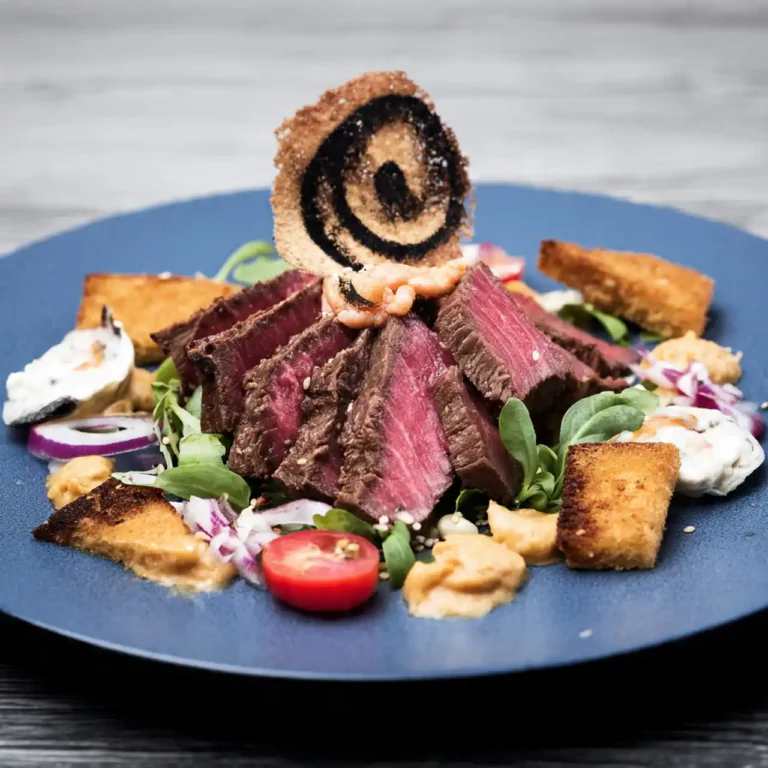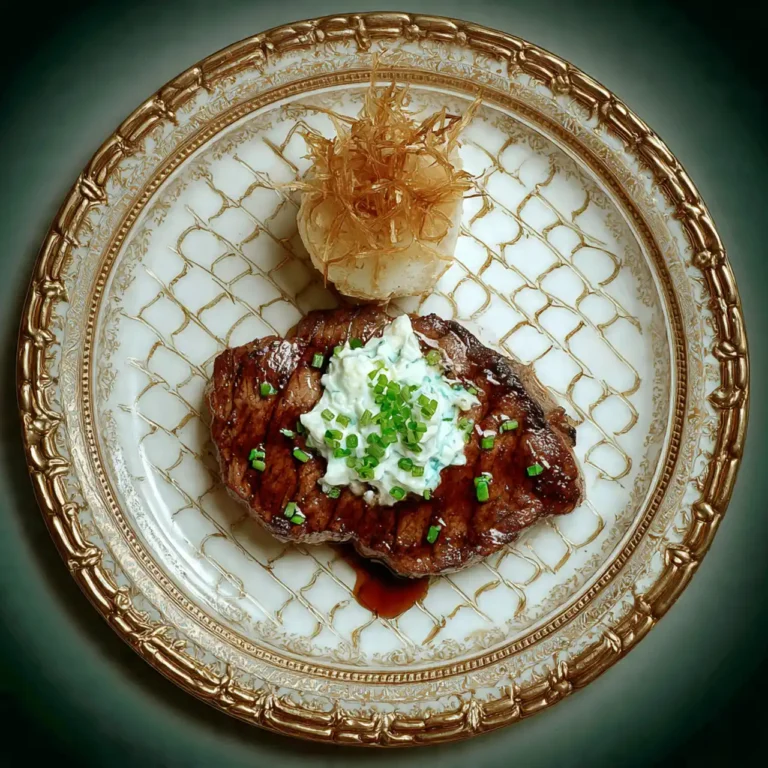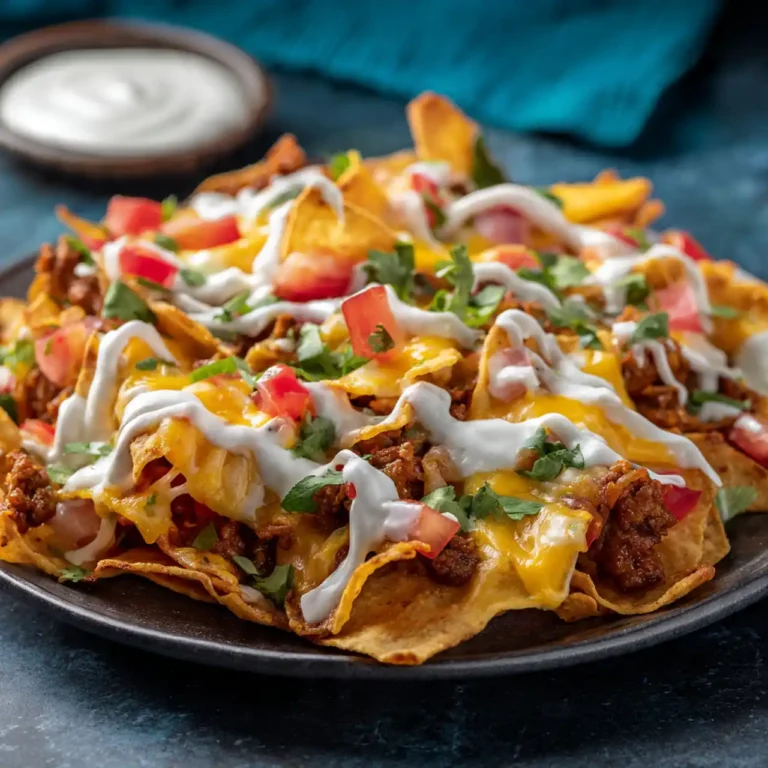
One-Pan Beef Fajitas: A Quick and Delicious Dinner Idea

One-Pan Beef Fajitas are a delightfully simple yet flavor-packed dish that will become a staple in your weeknight dinner rotation. The sizzle of the beef as it cooks with vibrant bell peppers and onions creates an aroma that’s hard to resist.
This dish offers a perfect balance of spicy, savory, and fresh flavors. I first discovered this recipe during a family gathering, where it quickly became a favorite due to its ease of preparation and delicious taste.
Perfect for any season, it offers a warm and satisfying meal without the hassle of multiple pots and pans. Whether you’re looking to impress guests or simply enjoy a quick meal, these fajitas won’t disappoint.
The History and Cultural Significance
One-Pan Beef Fajitas trace their origins to the Tex-Mex region in the 1930s, where they were originally created by Mexican ranch workers. The dish evolved over decades as various spices and modern cooking techniques were incorporated, eventually becoming the beloved version we know today.
In Texan culture, this dish traditionally appears at backyard barbecues and family gatherings, symbolizing hospitality and shared enjoyment. While many variations exist across different regions, the authentic version maintains its signature sizzling presentation that sets it apart from imitations.
Recipe Overview
| Recipe Times & Servings | |
|---|---|
| ⏱️ Prep Time: | 15 minutes |
| 🔥 Cook Time: | 20 minutes |
| ⏰ Total Time: | 35 minutes |
| 👥 Servings: | 4 |
Nutritional Information (per serving)
| Nutritional Information (per serving) | |
|---|---|
| 🔥 Calories: | 450 |
| 🥩 Protein: | 30g |
| 🌾 Carbs: | 35g |
| 🥑 Fat: | 20g |
| 🌿 Fiber: | 5g |
| 🍯 Sugar: | 6g |
Essential Equipment Guide
Cast-Iron Skillet: A cast-iron skillet is crucial for achieving the authentic char and sizzle associated with fajitas. Its ability to maintain high heat is unmatched, though a heavy-bottomed stainless steel pan may work in a pinch.
Tongs: Tongs are essential for easily flipping the beef and vegetables without piercing the meat, which helps retain its juices. Opt for tongs with a non-slip grip for safety.
Sharp Chef’s Knife: A sharp knife is necessary for slicing the beef and vegetables thinly and uniformly. Look for one with a comfortable handle and a well-balanced feel.
Ingredients
For the Base
| Amount | Ingredient | Notes |
|---|---|---|
| 1 pound | flank steak | thinly sliced against the grain |
| 2 tablespoons | olive oil | divided, for cooking |
Vegetables
| Amount | Ingredient | Notes |
|---|---|---|
| 1 large | red bell pepper | sliced into strips |
| 1 large | green bell pepper | sliced into strips |
| 1 large | onion | sliced into rings |
Seasonings
| Amount | Ingredient | Notes |
|---|---|---|
| 1 teaspoon | chili powder | adds heat |
| 1 teaspoon | cumin | adds earthy flavor |
| 1 teaspoon | paprika | adds smoky flavor |
| 1 teaspoon | garlic powder | adds depth of flavor |
| 1 teaspoon | salt | enhances flavor |
| 1 teaspoon | black pepper | adds spice |
For Serving
| Amount | Ingredient | Notes |
|---|---|---|
| 8 small | flour tortillas | warmed |
| 1 bunch | cilantro | chopped, for garnish |
| 1 lime | cut into wedges, for squeezing |
Preparation Methods
Thin Slicing: Properly slicing the beef thinly against the grain is crucial for tenderness. This technique breaks down the muscle fibers, resulting in a melt-in-your-mouth texture.
Browning: Achieving a perfect sear on the beef enhances flavor through the Maillard reaction. Make sure your pan is very hot before adding the meat to ensure a good sear.
Vegetable Stir-Fry: Quickly cooking the bell peppers and onions over high heat helps retain their vibrant color and crisp texture. Avoid overcrowding the pan to prevent steaming.
Step 1: Prepare Ingredients

Gather all ingredients and equipment. Slice the flank steak thinly against the grain. Slice the bell peppers and onion into thin strips. Measure out and mix the spices in a small bowl.
Step 2: Heat the Skillet

Place a cast-iron skillet on the stove over medium-high heat. Allow the skillet to heat until it’s almost smoking. Add one tablespoon of olive oil to the pan. Swirl the pan to coat the bottom evenly with oil.
Step 3: Sear the Steak

Add the sliced steak to the hot skillet in a single layer. Cook without stirring for 2-3 minutes until the edges start to brown. Flip the steak pieces with tongs and cook for another 2 minutes. Remove steak from the skillet and set aside.
Step 4: Cook Vegetables

Add the remaining olive oil to the skillet. Toss in the sliced bell peppers and onion. Stir-fry the vegetables for 5-7 minutes until they start to soften. Ensure they retain some crunch and vibrant color.
Step 5: Season the Dish

Sprinkle the mixed spices over the vegetables in the skillet. Stir well to coat the vegetables evenly with the spices. Return the cooked steak to the skillet. Mix everything together until well combined.
Step 6: Warm the Tortillas

Wrap the tortillas in aluminum foil. Place them in a preheated oven at 350°F (175°C) for 5-7 minutes. Alternatively, warm them in a dry skillet over medium heat for 1 minute each side. Keep them wrapped until serving to retain warmth.
Step 7: Garnish and Serve

Transfer the fajita mixture to a serving platter. Sprinkle chopped cilantro over the top for freshness. Serve with lime wedges for squeezing over the fajitas. Present with warm tortillas on the side.
Step 8: Enjoy Your Meal

Invite family or friends to gather around the table. Encourage everyone to build their own fajitas. Enjoy the vibrant flavors and communal dining experience. Relish in the compliments for your delicious creation.
Critical Timing and Temperature Guide
Heating the Skillet: Allow the skillet to heat for at least 5 minutes until very hot (almost smoking). This ensures a good sear on the steak and prevents sticking. Avoid adding oil too early, which can cause burning.
Cooking the Steak: Sear the steak for 2-3 minutes per side on high heat for medium-rare doneness. Look for browning on the edges and avoid overcooking, which can lead to toughness.
Warming the Tortillas: Heat in the oven for 5-7 minutes at 350°F (175°C) or on the stove for 1 minute per side. Ensure they are pliable but not dry. Avoid overheating, which can make them brittle.
Pro Tips for One-Pan Beef Fajitas
Ingredient Selection: Choose a high-quality flank steak with good marbling for the best flavor and tenderness. Fresh, vibrant bell peppers add sweetness and crunch.
Preparation Secret: Slightly freeze the steak for 10-15 minutes before slicing to make it easier to cut thinly and evenly.
Temperature Management: Ensure the skillet is sufficiently hot before adding the steak to achieve proper searing and flavor development.
Texture Enhancement: Let the steak rest for a few minutes after cooking to retain juices and achieve optimal tenderness.
Flavor Layering: Add a splash of lime juice after cooking to brighten the flavors and balance the spices.
Make-Ahead Strategies: Slice and season the steak and vegetables a day in advance, storing them separately in airtight containers in the refrigerator.
Restaurant-Quality Finishing Touches: Garnish with fresh cilantro and a squeeze of lime juice just before serving for a burst of fresh flavor.
Equipment Optimization: Preheat your oven when warming tortillas to ensure they stay soft and pliable without drying out.
Troubleshooting Common Issues
Steak Too Tough: This occurs if the steak is overcooked or not sliced against the grain. Recognize it by its chewy texture. To fix, ensure proper slicing and monitor cooking time closely in future attempts.
Vegetables Too Soft: Overcrowding the pan leads to steaming instead of stir-frying. Ensure the skillet is large enough and avoid adding too many vegetables at once.
Flavors Unbalanced: If the dish tastes bland or too spicy, adjust seasoning levels carefully. Add small amounts of salt and lime juice to enhance flavor without overpowering.
Soggy Tortillas: This happens when tortillas are over steamed or not warmed properly. Ensure they are wrapped tightly in foil and not left too long in the oven or skillet.
Burnt Spices: Adding spices too early or to a dry pan can lead to burning. Always add spices after some liquid or oil has been added to the pan to prevent this issue.
Variations and Regional Differences
Tex-Mex Style: This version features a more robust spice blend with the addition of cayenne and oregano. It often includes toppings like sour cream and guacamole.
Northern Mexican Style: Typically prepared with skirt steak and includes nopales (cactus) as an additional vegetable. The seasoning is simpler, focusing on salt and pepper.
Vegetarian Variation: Substitute the beef with portobello mushrooms or tofu for a plant-based version. Use the same spice blend for similar flavor profiles.
Caribbean Influence: Incorporates tropical fruits like mango or pineapple into the vegetable mix, adding sweetness and a hint of acidity to the dish.
Food Science Behind the Recipe
Maillard Reaction: This chemical reaction between amino acids and reducing sugars gives browned food its distinctive flavor. Properly searing the steak enhances its savory taste.
Acidic Marination: Lime juice acts as a tenderizer for the meat by breaking down proteins. It also adds brightness and balances the spices.
Heat Transfer: The high heat of the cast-iron skillet ensures even cooking and prevents sticking. Understanding heat dynamics helps achieve the perfect sear and vegetable texture.
Frequently Asked Questions
What’s the most common mistake people make when preparing One-Pan Beef Fajitas? Overcooking the steak is a frequent issue, leading to toughness. Ensure to cook quickly over high heat and remove the steak when it’s still slightly pink inside.
Can I use a different cut of beef? Yes, sirloin or skirt steak are good alternatives. They offer similar tenderness and flavor when sliced against the grain.
How do I make the fajitas less spicy? Reduce the amount of chili powder and omit the cayenne. You can also add more lime juice to mellow the heat.
Can I prepare this dish ahead of time? Yes, you can slice and season the ingredients in advance. Store them separately in airtight containers and cook just before serving.
What’s the best way to reheat leftover fajitas? Reheat in a skillet over medium heat, adding a splash of water or broth to prevent drying. Warm tortillas separately in a skillet or oven.
How do I prevent the vegetables from getting soggy? Cook them over high heat with ample space in the skillet. Stir occasionally to ensure even cooking without steaming.
Can I use corn tortillas instead of flour? Absolutely! Corn tortillas offer a gluten-free alternative and add a different texture and flavor to the dish.
Conclusion
Now that you have all the steps to create delicious One-Pan Beef Fajitas, it’s time to bring this flavorful dish to your table.
Embrace the simplicity and bold flavors that make it a favorite among home cooks and professional chefs alike. With this recipe in your repertoire, you’ll impress family and friends with every bite.
Enjoy the process and savor the results of your culinary creation.