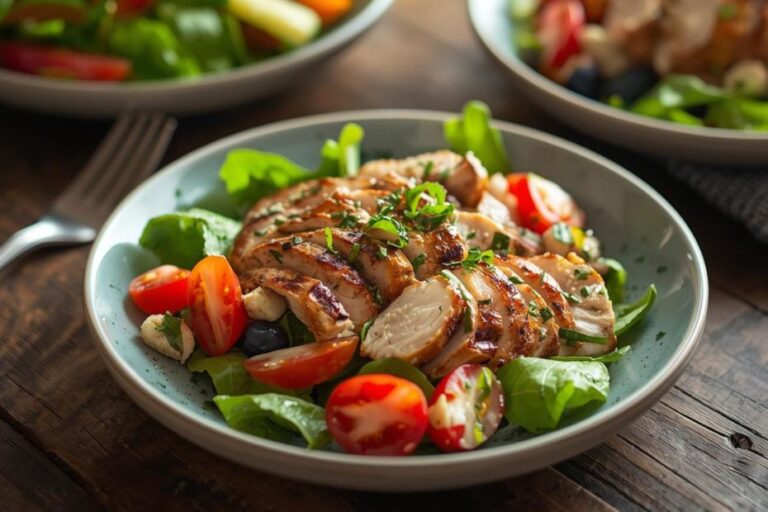
Mediterranean Couscous Salad with Feta and Veggies: A Flavor Explosion

The vibrant Mediterranean Couscous Salad with Feta and Veggies is a delightful celebration of flavors and textures, bringing the sun-kissed essence of the Mediterranean to your table.
With its refreshing mix of crisp vegetables, creamy feta, and the subtle nuttiness of couscous, this salad offers a balanced and satisfying bite in every forkful.
I first encountered this recipe on a summer trip to Greece, where its bright colors and zesty dressing made it a staple in local tavernas.
Perfect for warm-weather gatherings or as a year-round side dish, this versatile salad is easy to prepare yet impressive enough for guests.
Each ingredient contributes to a harmonious flavor profile that makes this dish a true flavor explosion.
Get ready to delight your taste buds with a dish that embodies the spirit of the Mediterranean.
The History and Cultural Significance
Mediterranean Couscous Salad traces its origins to North Africa, where it was originally created by the Berber people.
The dish evolved over decades as it spread across Mediterranean countries, incorporating local ingredients like olives and feta, eventually becoming the beloved version we know today.
In Mediterranean culture, this dish traditionally appears at festive gatherings and family meals, symbolizing hospitality and abundance.
While many variations exist across different regions, the authentic version maintains the distinctive combination of fresh vegetables, couscous, and feta cheese that sets it apart from imitations.
Recipe Overview
| Recipe Times & Servings | |
|---|---|
| ⏱️ Prep Time: | 15 minutes |
| 🔥 Cook Time: | 10 minutes |
| ⏰ Total Time: | 25 minutes |
| 👥 Servings: | 4 |
Nutritional Information (per serving)
| Nutritional Information (per serving) | |
|---|---|
| 🔥 Calories: | 320 |
| 🥩 Protein: | 10g |
| 🌾 Carbs: | 45g |
| 🥑 Fat: | 12g |
| 🌿 Fiber: | 5g |
| 🍯 Sugar: | 6g |
Essential Equipment Guide
Mixing Bowl: A large mixing bowl is essential for tossing all the salad ingredients together evenly. A stainless steel bowl is ideal, but any large bowl will work as long as it allows for thorough mixing.
Whisk: A whisk is important for emulsifying the dressing ingredients, ensuring a smooth and well-blended vinaigrette. A small balloon whisk is perfect, but a fork can suffice in a pinch.
Chef’s Knife: A sharp chef’s knife is crucial for chopping vegetables uniformly, which helps them cook evenly and enhances the salad’s presentation. Look for a knife with a comfortable handle and a balanced weight.
Ingredients
For the Base
| Amount | Ingredient | Notes |
|---|---|---|
| 1 cup | couscous | quick-cooking, provides the foundation |
| 1.5 cups | water | for cooking couscous |
Vegetables
| Amount | Ingredient | Notes |
|---|---|---|
| 1 cup | cucumber | diced, refreshing crunch |
| 1 cup | cherry tomatoes | halved, sweet and juicy |
| 0.5 cup | red bell pepper | diced, adds color and sweetness |
| 0.25 cup | red onion | finely chopped, sharp flavor |
Seasonings
| Amount | Ingredient | Notes |
|---|---|---|
| 0.25 cup | olive oil | smooth flavor, for dressing |
| 2 tablespoons | lemon juice | zesty brightness |
| 1 teaspoon | dried oregano | earthy depth |
| 0.5 teaspoon | salt | enhances overall taste |
| 0.25 teaspoon | black pepper | adds mild heat |
Cheese and Herbs
| Amount | Ingredient | Notes |
|---|---|---|
| 0.5 cup | feta cheese | crumbled, creamy and tangy |
| 0.25 cup | fresh parsley | chopped, for garnish |
Preparation Methods
Fluffing Couscous: Once the couscous has absorbed all the water, use a fork to gently fluff it. This process separates the grains, preventing clumping and ensuring a light texture. Be gentle to avoid crushing the grains.
Emulsifying Dressing: Whisk the olive oil and lemon juice vigorously until they combine into a uniform mixture. This emulsification helps the dressing cling to the salad components more effectively, enhancing flavor distribution.
Vegetable Chopping: Uniformly chop all vegetables to similar sizes. This technique ensures even distribution throughout the salad and consistent cooking times if sautéing or roasting is involved.
Step 1: Prepare Couscous

Bring 1.5 cups of water to a boil in a medium saucepan. Add the couscous and a pinch of salt to the boiling water. Cover the saucepan, remove from heat, and let it sit for 5 minutes. After 5 minutes, fluff the couscous with a fork to separate the grains.
Step 2: Chop Vegetables

Dice the cucumber into small cubes. Halve the cherry tomatoes for a juicy burst in every bite. Finely chop the red onion and dice the red bell pepper. Ensure all vegetables are uniformly sized for even distribution.
Step 3: Prepare Dressing

In a small bowl, combine olive oil and lemon juice. Add dried oregano, salt, and black pepper to the bowl. Whisk vigorously to emulsify the dressing into a smooth mixture. Taste and adjust seasoning if necessary.
Step 4: Combine Ingredients

Transfer the fluffed couscous to a large mixing bowl. Add the chopped vegetables to the bowl with the couscous. Pour the dressing over the couscous and vegetables. Gently toss everything together to combine all ingredients.
Step 5: Add Feta and Herbs

Crumble the feta cheese over the mixed salad. Sprinkle with freshly chopped parsley for a burst of color. Gently toss again to distribute the feta and herbs evenly. Ensure the salad is well mixed yet not over-tossed to keep feta intact.
Step 6: Adjust Seasoning

Taste the salad to assess the balance of flavors. Add more salt or pepper if needed to enhance taste. Consider a splash more lemon juice for extra brightness. Mix gently after adjusting to ensure even seasoning.
Step 7: Chill the Salad

Transfer the salad to the refrigerator for at least 15 minutes. Chilling allows flavors to meld and enhances overall taste. Cover the bowl to prevent drying out during refrigeration. Use this time to prepare any additional sides or garnishes.
Step 8: Serve and Enjoy

Remove the salad from the refrigerator when ready to serve. Give it a final gentle toss to refresh the ingredients. Transfer to a serving dish for a beautiful presentation. Garnish with extra parsley or a lemon wedge if desired.
Critical Timing and Temperature Guide
Couscous Cooking: Allow the couscous to absorb water off the heat for exactly 5 minutes. Look for fluffy, separate grains. Avoid overcooking which leads to mushy texture.
Dressing Emulsification: Whisk the dressing ingredients vigorously until well combined. The mixture should not separate. Common mistakes include insufficient whisking or adding oil too quickly.
Chilling Time: Chill the salad for at least 15 minutes but no longer than 2 hours before serving. This helps flavors meld. Avoid leaving out as it may lose freshness.
Pro Tips for Mediterranean Couscous Salad
Ingredient Selection: Use the freshest vegetables you can find, especially the tomatoes and cucumbers, as their natural sweetness and juiciness make a big difference.
Preparation Secret: Toast the couscous in a dry pan for a few minutes before cooking to enhance its nutty flavor.
Temperature Management: Ensure all ingredients are at room temperature before combining to enhance flavor melding.
Texture Enhancement: Gently toss the salad to avoid breaking up the feta and to keep the vegetables crisp.
Flavor Layering: Add a pinch of smoked paprika to the dressing for an extra layer of complexity and warmth.
Make-Ahead Strategies: Prepare the couscous and chop the vegetables a day in advance, storing them separately, and combine with dressing just before serving.
Restaurant-Quality Finishing Touches: Top with a drizzle of high-quality extra virgin olive oil just before serving to enhance richness.
Equipment Optimization: Use a large, wide bowl for tossing the salad to prevent overcrowding and ensure even dressing distribution.
Troubleshooting Common Issues
Overly Soggy Salad: This is often due to overcooked couscous or excess dressing. Ensure couscous is fluffed and allow salad to drain if needed.
Flavors Not Blending: If flavors seem disjointed, allow the salad to chill longer to meld, and ensure dressing is properly emulsified.
Vegetables Too Soft: This can occur from using vegetables that are not fresh or from over-mixing. Use crisp, fresh vegetables and toss gently.
Bland Taste: Often a result of under-seasoning. Adjust with more lemon juice, salt, or herbs to enhance flavor.
Couscous Clumping: This happens if couscous is not fluffed properly. Always fluff with a fork immediately after cooking.
Dressing Separation: If dressing separates, whisk again before adding to the salad to ensure even coating.
Variations and Regional Differences
Greek Variation: Includes Kalamata olives and capers for an added briny flavor, and often uses a red wine vinegar dressing.
Moroccan Style: Features dried fruits such as raisins or apricots, with a hint of cinnamon in the dressing for sweetness and warmth.
Italian Twist: Incorporates sun-dried tomatoes and fresh basil, with a balsamic vinaigrette instead of lemon dressing.
Levantine Version: Adds chickpeas for extra protein and uses sumac for a tangy twist in the dressing.
Food Science Behind the Recipe
Emulsion Science: The process of emulsifying oil and lemon juice creates a stable mixture where the oil droplets are suspended, allowing the dressing to coat salad ingredients evenly.
Flavor Absorption: Couscous is a porous grain that absorbs the flavors of the dressing and vegetables, enhancing the overall taste profile.
Acid’s Role: The acidity from the lemon juice not only adds brightness but also helps to balance the creamy richness of the feta and the olive oil.
Frequently Asked Questions
What’s the most common mistake people make when preparing Mediterranean Couscous Salad? Overcooking the couscous, leading to a mushy texture, is a common mistake. Ensure couscous is just cooked and fluff it immediately.
Can I substitute quinoa for couscous? Yes, quinoa is a great gluten-free alternative and will add a slightly different texture and flavor profile to the salad.
How can I make this salad vegan? Simply omit the feta cheese or replace it with a vegan cheese alternative for a plant-based version.
Can this salad be made ahead of time? Yes, you can prepare the components in advance and combine them just before serving to maintain freshness.
What other vegetables can I add? Feel free to add vegetables like zucchini, carrots, or roasted eggplant for more variety.
Is it okay to use bottled lemon juice? Fresh lemon juice is recommended for the best flavor, but bottled can be used in a pinch.
How long can leftovers be stored? Store leftovers in an airtight container in the refrigerator for up to 2 days, though the texture may change slightly.
Conclusion
Mediterranean Couscous Salad with Feta and Veggies is a delightful dish that brings the flavors of the Mediterranean right to your kitchen. Its combination of fresh ingredients and bold flavors makes it a standout choice for any meal.
We encourage you to try this recipe and experience the vibrant taste and simple elegance it offers. Enjoy the process of creating this dish and delight in the joy it brings to your table.