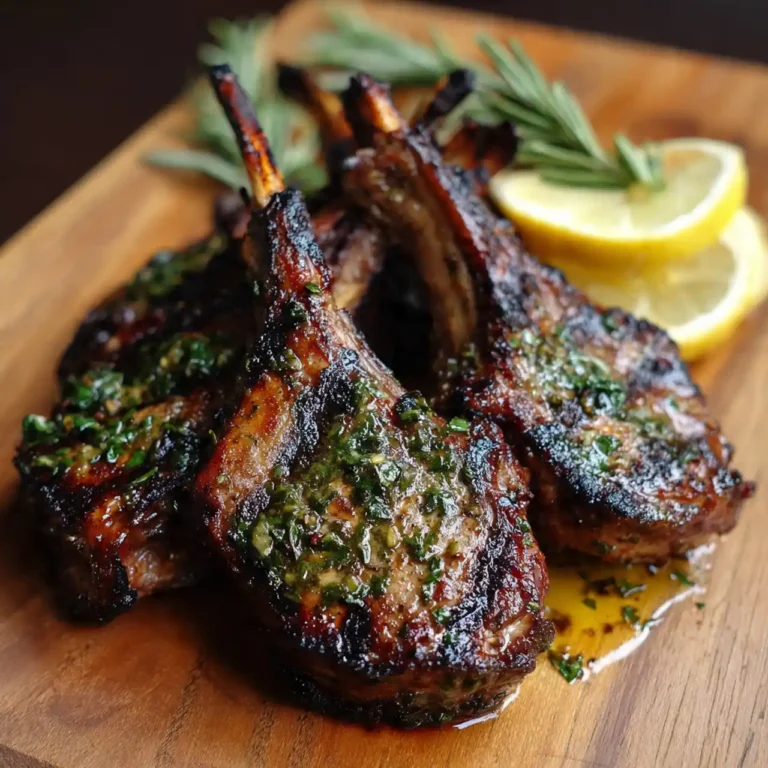
How to Make the Best Korean BBQ Chicken at Home
If you’re looking for a dish that is packed with an incredible amount of flavor and has that irresistible smoky char, then you’ve come to the right place.
Today, we’re making a classic Korean BBQ Chicken, also known as Dak Bulgogi. It’s a dish that’s savory, sweet, slightly spicy, and guaranteed to be a huge hit at your next barbecue or weeknight dinner.
The secret to this recipe is the marinade. It’s a magical, umami-rich blend of soy sauce, sweet Asian pear, and a generous amount of fragrant garlic and ginger.
We’re also adding a secret ingredient, gochujang (Korean chili paste), which gives the marinade a beautiful red hue and a complex, savory heat.
This marinade not only infuses the chicken with amazing flavor but also tenderizes it, ensuring every bite is juicy and delicious.
Grilled over high heat, the sugars in the marinade caramelize into a beautiful, smoky crust. This is a recipe that will make your kitchen smell incredible. Let’s get marinating!
Quick Recipe Snapshot
Here’s a quick look at the timeline for this incredibly flavorful and easy dish.
| Prep time | Cook time | Total time | Yield | Skill level | Spice level |
|---|---|---|---|---|---|
| 20 minutes (+ marinating) | 10-15 minutes | 35 minutes (+ marinating) | 4-6 servings | Easy | Medium |
Ingredients
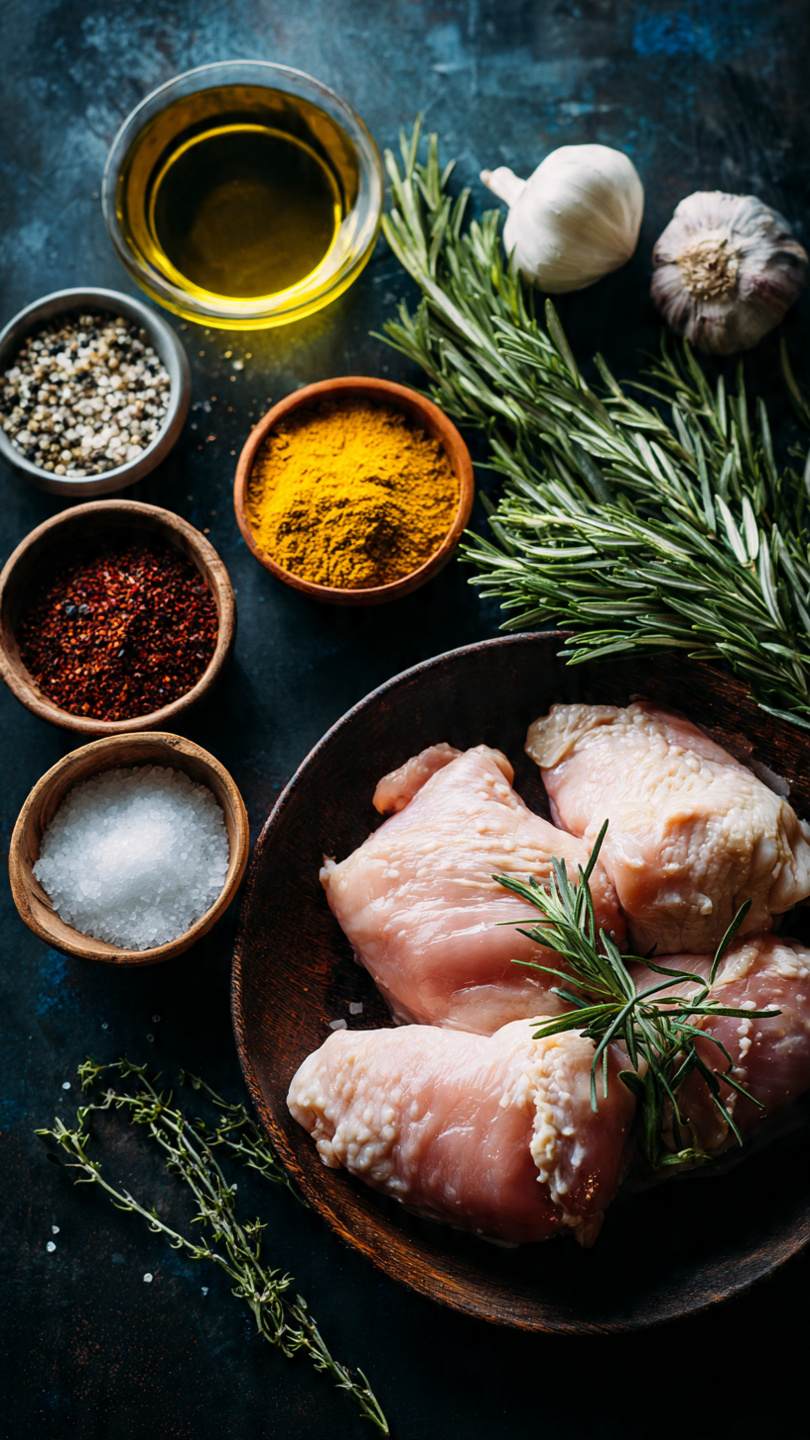
This powerful marinade uses a blend of classic Korean pantry staples to create its signature flavor.
- Chicken – Boneless, skinless chicken thighs are the best choice. Their higher fat content ensures they stay incredibly juicy and flavorful on the grill.
- 2-3 servings: 1.5 lbs
- 4-6 servings: 3 lbs
- For the Korean BBQ Marinade:
- Soy Sauce: ½ cup, low-sodium.
- Asian Pear: ½ of a medium pear, peeled and grated. An apple (like Fuji) can be substituted.
- Gochujang (Korean Chili Paste): 2-3 tbsp, for a savory, sweet heat.
- Toasted Sesame Oil: 2 tbsp.
- Brown Sugar or Honey: 2 tbsp.
- Rice Vinegar: 1 tbsp.
- Aromatics:
- Garlic: 6-8 cloves, minced.
- Ginger: 1-inch piece, freshly grated.
- Scallions: 3, thinly sliced.
- For Serving:
- Toasted sesame seeds and more sliced scallions for garnish.
The Flavor Architects A Look at the Ingredients
- Gochujang: This fermented Korean chili paste is the heart of the marinade’s flavor, providing a complex blend of savory, sweet, and spicy notes all in one.
- Asian Pear: A traditional secret ingredient in Korean marinades, the grated pear not only adds a subtle, natural sweetness but also contains enzymes that act as a natural tenderizer for the meat.
- Soy Sauce: This provides the essential salty and savory (umami) foundation for the marinade. Using a low-sodium version allows you to better control the final saltiness.
- Toasted Sesame Oil: This is a key finishing flavor, adding a powerful, nutty, and fragrant aroma that is a signature of Korean cuisine.
- Garlic & Ginger: This dynamic duo of fresh aromatics provides a pungent, slightly spicy, and fragrant backbone that is essential to the marinade’s complexity.
Essential Tools
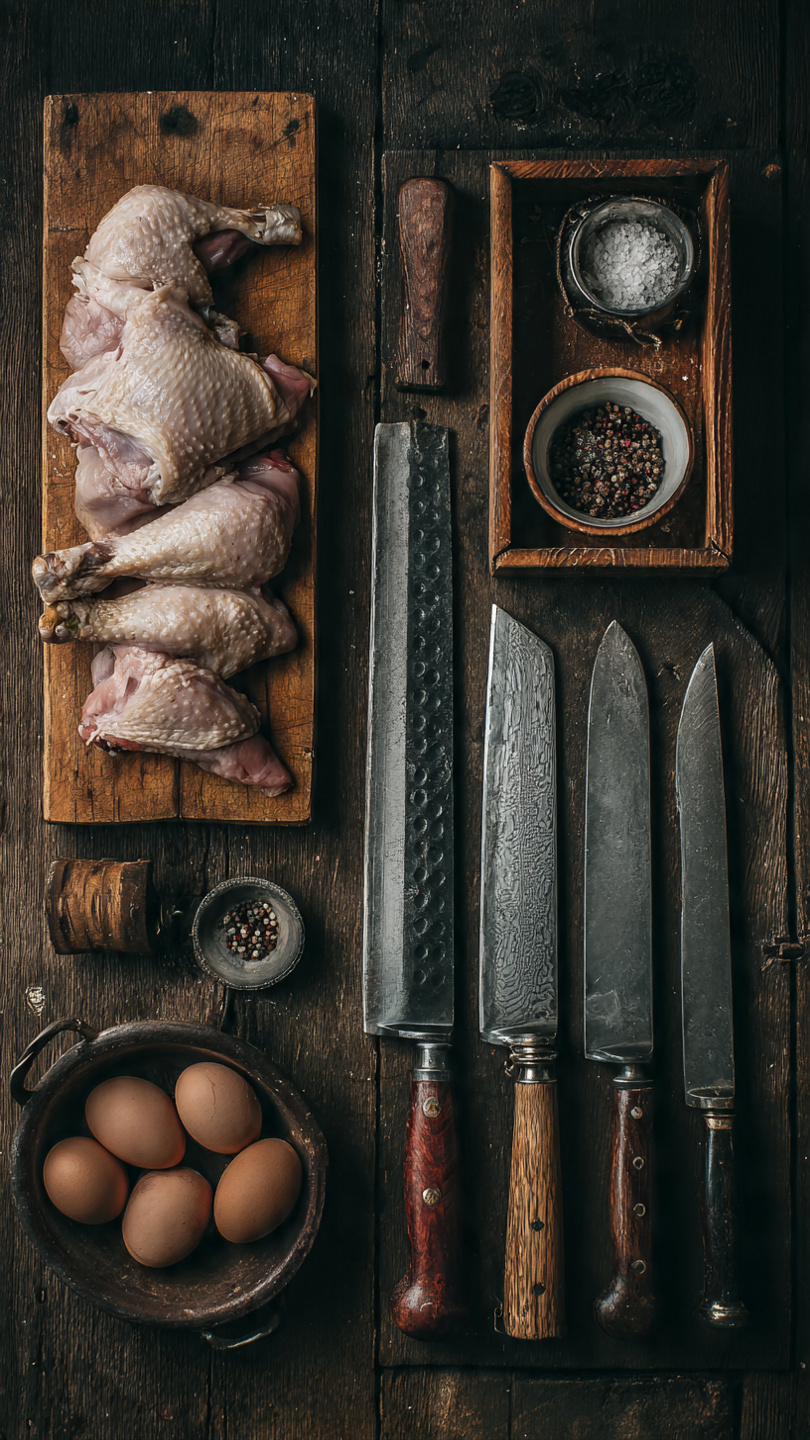
This is a simple recipe that’s perfect for the grill or a hot skillet.
- Outdoor grill or a large cast-iron skillet/grill pan
- Large mixing bowl or a large ziplock bag
- Blender or box grater for the pear
- Whisk
- Tongs
Cooking Instructions
This recipe is incredibly easy to prepare. The most important step is giving the chicken enough time to soak up the delicious marinade.
Step 1: Create the Flavorful Marinade
The first step is to build the incredible marinade that will transform your chicken.
In a large bowl, combine all the marinade ingredients: the soy sauce, grated Asian pear, gochujang, toasted sesame oil, brown sugar, rice vinegar, minced garlic, grated ginger, and sliced scallions.
Whisk everything together thoroughly until the sugar is dissolved and the gochujang is fully incorporated, creating a fragrant, rich, and reddish-brown sauce.
Step 2: Marinate the Chicken
If your chicken thighs are very large, you can cut them in half for more manageable pieces and more surface area for the delicious marinade.
Place the chicken thighs in the bowl with the marinade (or in a large ziplock bag). Use your hands or tongs to toss the chicken, making sure every single piece is completely and generously coated in the marinade.
Cover the bowl or seal the bag and place it in the refrigerator to marinate for at least 2 hours, or up to 8 hours for the deepest flavor.
Step 3: Grill to Charred Perfection
When you are ready to cook, preheat your grill to a medium-high heat, around 400-450°F (200-230°C).
It is very important that your grill grates are clean and well-oiled to prevent the chicken from sticking. Remove the chicken from the marinade, letting any excess drip off.
Place the chicken thighs on the hot grill. Cook for 5-7 minutes on the first side, with the lid closed, until you have beautiful grill marks and a nice char.
Step 4: Flip and Finish
Flip the chicken thighs and continue to cook for another 5-7 minutes on the second side. Because the marinade contains sugar, you should watch it closely to ensure it chars but does not burn.
The chicken is done when it is cooked through, the juices run clear, and an instant-read thermometer inserted into the thickest part registers 165°F (74°C). Remove the cooked chicken from the grill and let it rest on a cutting board for 5-10 minutes before slicing or serving.
Recipe Variations
This versatile marinade is a great base for many different meals.
- Make it Spicier: For a truly fiery version, add 1-2 teaspoons of gochugaru (Korean chili flakes) or a spoonful of sambal oelek to the marinade.
- Chicken Skewers: Cut the chicken thighs into 1-inch chunks before marinating. Thread them onto metal or soaked wooden skewers and grill for 3-4 minutes per side for delicious and easy-to-eat kebabs.
- Stir-fry Version: If you don’t have a grill, you can cook this in a hot skillet. Cut the chicken into smaller pieces, marinate, and then stir-fry in a hot, lightly oiled wok or skillet for 5-7 minutes until cooked through and caramelized.
Serving Suggestions
Korean BBQ chicken is a fantastic centerpiece for a traditional Korean meal or a simple weeknight dinner.
- With Rice and Banchan: The classic way to serve it. Plate the sliced chicken with a bowl of hot, steamed short-grain rice and an assortment of small Korean side dishes (banchan) like kimchi, seasoned spinach, and pickled radishes.
- In Lettuce Wraps (Ssam): Provide large, fresh lettuce leaves (like red leaf or butter lettuce) and let everyone make their own wraps with the chicken, rice, and a dab of ssamjang (a savory Korean dipping paste).
- In a Bowl: Create a simple and healthy bowl by serving the sliced chicken over a bed of quinoa or mixed greens with some steamed vegetables.
Storage & Reheating Tips
Leftover Korean BBQ chicken is incredibly delicious.
- Storage: Let the cooked chicken cool completely. Store it in an airtight container in the refrigerator for up to 4 days.
- Reheating: Reheat the chicken gently in a skillet over medium-low heat with a splash of water to keep it moist. You can also reheat it in the microwave, but be careful not to overcook it.
Common Mistakes & Fixes
| Mistake | Fix |
|---|---|
| My chicken is sticking to the grill. | Your grill grates were not clean enough, hot enough, or well-oiled enough. The C-H-O method is essential for marinades with sugar: a **C**lean, **H**ot, and **O**iled grill grate. |
| The marinade burned and the chicken is black. | The sugar in the marinade (from the pear and brown sugar) can burn easily. Your grill heat was likely too high. A steady medium-high is perfect. If you notice it’s charring too quickly, move the chicken to a cooler part of the grill to finish cooking. |
| The chicken is dry. | You may have used chicken breast or overcooked the thighs. Chicken thighs are highly recommended for their juiciness. An instant-read thermometer is the best way to ensure you pull the chicken off the heat as soon as it’s done. |
| The flavor isn’t very strong. | You didn’t marinate it long enough. For this recipe, a minimum of 2 hours is recommended to allow the marinade to truly penetrate the meat and work its magic. |
FAQs
Can I use chicken breasts instead of thighs?
You can, but chicken thighs are strongly recommended for this recipe. Their higher fat content keeps them juicy and tender on the high heat of the grill.
If you use chicken breasts, be sure to pound them to an even thickness and be very careful not to overcook them, as they will dry out much more easily.
What is a good substitute for the Asian pear?
If you can’t find an Asian pear (also known as a nashi pear), the next best substitute is a sweet, crisp apple, like a Fuji or a Gala.
The purpose of the fruit is to provide a natural sweetness and enzymes that tenderize the meat.
Is Gochujang very spicy?
The heat level of gochujang can vary by brand, but it is generally a medium-spicy paste with a lot of savory and slightly sweet flavor.
This recipe uses it in balance with sweet and salty ingredients, so the final dish has a pleasant, warming heat rather than being overwhelmingly fiery.
You can always start with less and add more to suit your taste.
Enjoy Your Delicious Korean BBQ!
You are now ready to make a Korean BBQ chicken that is bursting with authentic, vibrant flavor.
The combination of savory, sweet, and spicy is truly addictive, and the smoky char from the grill takes it over the top.
I hope this becomes a new favorite in your grilling rotation!