Baking a Perfect Japanese Castella Cake at Home
If you’ve ever had the pleasure of trying a true Japanese Castella cake, you know it’s a dessert unlike any other.
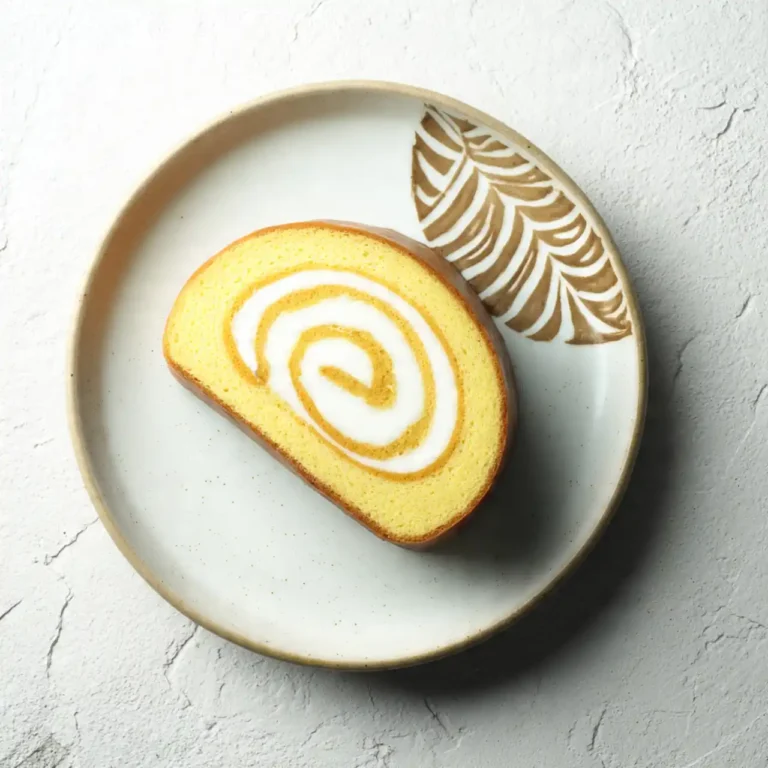
This isn’t your average sponge cake. It is a beautifully simple, elegant, and iconic cake prized for its incredibly fine, moist, and bouncy crumb, a dark golden-brown crust, and a delicate sweetness from honey.
The secret to Castella’s unique texture lies in its simple ingredient list and a very specific mixing technique. The recipe uses no butter or oil, relying entirely on the power of well-whipped eggs to provide all the lift and structure.
It’s a testament to the idea that simple ingredients, handled with care, can produce something truly extraordinary. It’s a wonderfully rewarding baking project.
Don’t be intimidated by its reputation. I’m going to walk you through every step, from preparing the special pan to achieving that perfect, velvety crumb. Let’s bake a masterpiece.
Quick Recipe Snapshot
Here’s a quick look at the timeline for this delicate and beautiful cake.
| Prep time | Cook time | Total time | Yield | Skill level | Spice level |
|---|---|---|---|---|---|
| 25 minutes | 45-55 minutes | 1 hour 20 minutes (+ cooling) | 1 loaf cake | Advanced | Mild |
Ingredients
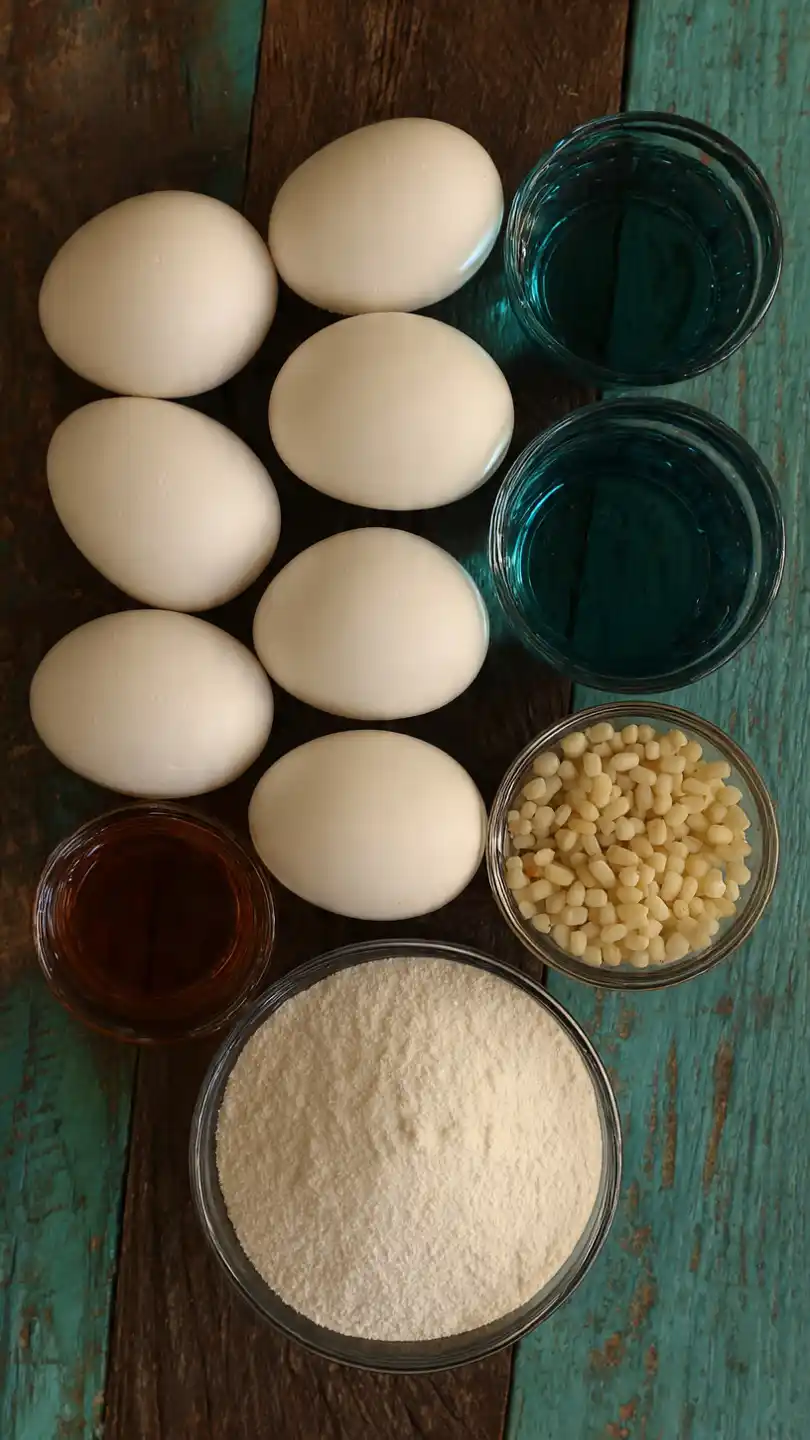
This simple cake relies on precision and high-quality ingredients for its signature texture and flavor.
- Large Eggs: 4, at room temperature. This is very important for volume.
- Bread Flour: ½ cup (about 65g). Bread flour’s higher protein content gives the cake its signature chewy, bouncy texture.
- Granulated Sugar: ½ cup (about 100g).
- Honey: 2 tbsp.
- Milk: 1 tbsp, warm.
- Mirin: 1 tsp (optional, for flavor and moisture).
- Pinch of Salt.
The Flavor Architects A Look at the Ingredients
- Bread Flour: This is perhaps the most surprising ingredient. Unlike most cakes that use cake or all-purpose flour, Castella uses bread flour. The higher protein content creates more gluten, which results in the cake’s signature firm, yet bouncy and slightly chewy texture.
- Honey: This is the primary flavoring agent. It not only provides a delicate, floral sweetness but is also hygroscopic, meaning it attracts moisture, which is what keeps the Castella cake wonderfully moist for days.
- Eggs: As the sole leavening agent, the eggs do all the work. Whipping them for an extended period incorporates a massive amount of air, which creates the cake’s lift and fine, even crumb structure.
- Mirin: This is a traditional secret ingredient. As a sweet rice wine, it adds a subtle, complex flavor and helps to keep the cake moist.
Essential Tools
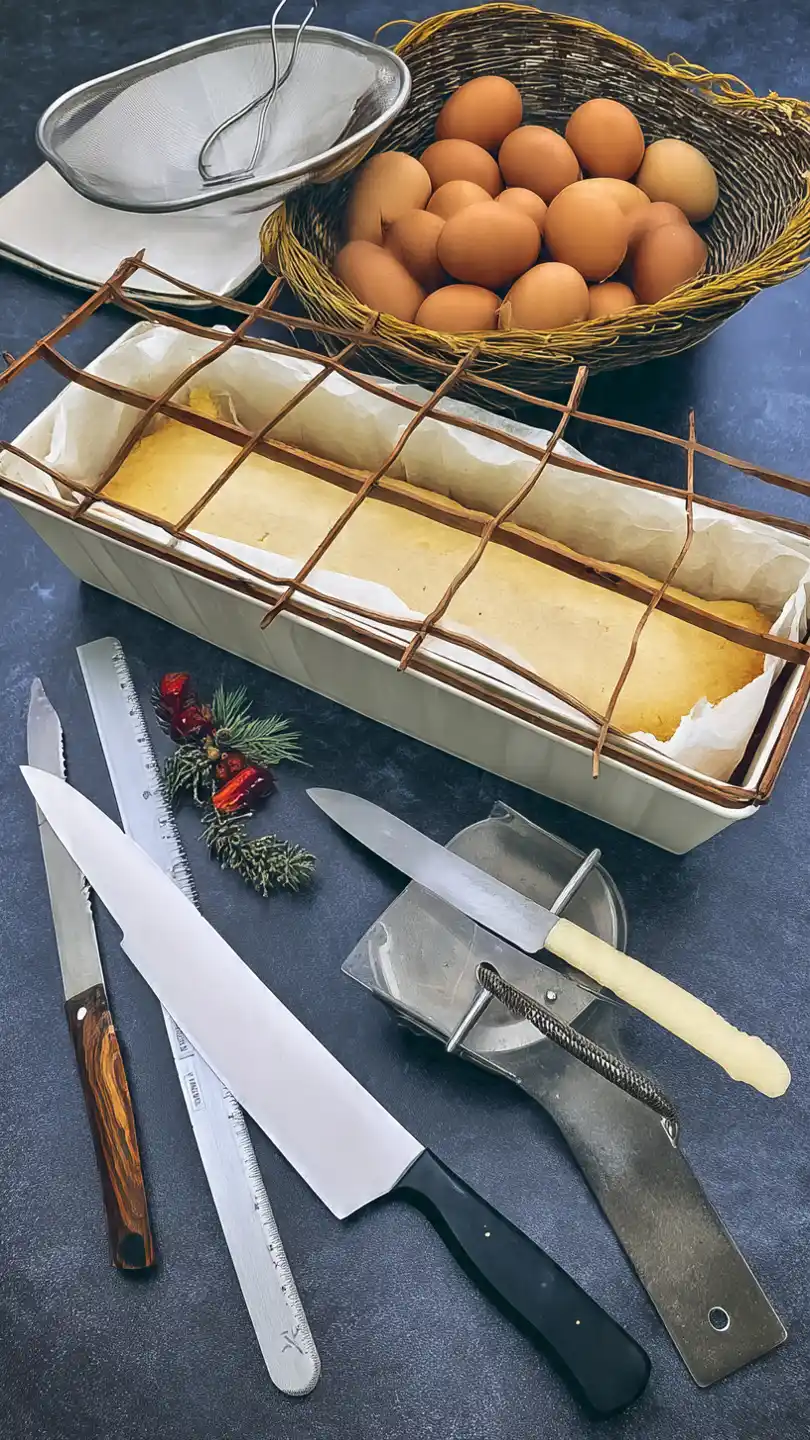
A few specific tools are highly recommended for making an authentic Castella.
- Stand mixer (highly recommended) or a powerful hand mixer
- A traditional bottomless Castella wood frame OR a standard 8.5×4.5 inch loaf pan
- Parchment paper
- Sifter or fine-mesh sieve
- Kitchen scale (for accuracy)
- Fine-toothed serrated knife for slicing
Cooking Instructions
This recipe is all about technique and patience. The long whipping time for the eggs is the most important part of the entire process.
Step 1: Prepare the Pan and Ingredients
First, you need to meticulously prepare your pan. If using a standard loaf pan, line it with a single, long sheet of parchment paper, creating a sling with an overhang on the long sides for easy removal.
Preheat your oven to 320°F (160°C). It is important to measure your ingredients by weight for the best results. Sift your bread flour at least twice to aerate it.
In a small bowl, whisk together the warm milk, honey, and mirin until the honey is dissolved.
Step 2: The Critical Egg Whipping Stage
In the very clean bowl of your stand mixer fitted with the whisk attachment, combine the room-temperature eggs, sugar, and salt.
Start by whipping on low speed to break up the eggs, then increase the speed to medium-high. Let the eggs whip for a full 5-7 minutes. The mixture will become very pale, thick, and voluminous.
A great test is to lift the whisk; the batter falling off should form a thick ribbon that sits on the surface for a few seconds before dissolving. This long whipping time is what creates the cake’s entire structure.
Step 3: Gently Incorporate the Final Ingredients
Once the eggs have reached the “ribbon stage,” reduce the mixer speed to low. Slowly drizzle in the honey and milk mixture and mix for just 30 seconds until it is just incorporated.
Stop the mixer. Add the sifted bread flour to the bowl in two or three additions, gently folding it in with a spatula after each addition. Be very careful to not deflate the airy egg foam.
Continue to fold just until you no longer see any streaks of flour.
Step 4: Bake the Cake
Pour the delicate batter into your prepared loaf pan. To remove any large air bubbles, gently run a skewer or a chopstick through the batter in a zig-zag pattern.
Lightly tap the pan on the counter a couple of times. Bake for 45-55 minutes.
The cake is done when the top is a deep, uniform golden-brown and a skewer inserted into the center comes out clean.
Step 5: Cool and Rest for the Best Texture
As soon as the cake comes out of the oven, drop the pan from a height of about 6 inches onto a heatproof surface.
This shock helps prevent the cake from shrinking too much as it cools. Immediately invert the cake onto a large sheet of plastic wrap, peel off the parchment paper, and wrap the warm cake tightly.
Let the cake cool completely upside down. This process traps the steam and redistributes the moisture, creating an incredibly moist crumb. For the absolute best flavor and texture, let the wrapped cake rest at room temperature overnight before slicing. Use a serrated knife to trim the edges and slice into thick pieces.
Recipe Variations
While classic Castella is unadulterated, here are a few popular variations.
- Matcha Castella: Sift 1-2 tablespoons of high-quality matcha green tea powder in with the bread flour for a beautiful green color and a classic, earthy flavor.
- Chocolate Castella: Substitute 2 tablespoons of the bread flour with 2 tablespoons of high-quality, unsweetened cocoa powder.
- Zarame Sugar Crust: For a traditional crunchy bottom crust, you can sprinkle a layer of coarse Zarame sugar on the bottom of the parchment-lined pan before pouring in the batter.
Serving Suggestions
Castella cake is an elegant treat that is best enjoyed in its pure, simple form.
- A Simple Slice: The best way to appreciate the delicate flavor and unique texture is to serve a thick, clean-cut slice on its own.
- With Green Tea: It is the perfect accompaniment to a cup of hot Japanese green tea (sencha) or matcha.
- With Fresh Fruit: A few fresh berries on the side can provide a nice, bright contrast to the sweet, honey-flavored cake.
Storage & Reheating Tips
Castella is famous for how well it keeps, thanks to the honey.
- Storage: Keep the cake tightly wrapped in plastic wrap at room temperature. It will stay moist and delicious for up to 5 days. The flavor and texture are often considered best on day two or three. Do not refrigerate the cake, as this can dry it out and alter its texture.
- Reheating: This cake is meant to be eaten at room temperature. Do not reheat it.
Common Mistakes & Fixes
| Mistake | Fix |
|---|---|
| My cake is dense and not bouncy. | You did not whip the eggs long enough, or you deflated the batter when folding in the flour. The ribbon stage is not optional; the eggs must be whipped until very thick and pale to create the necessary structure. |
| My cake has a coarse, uneven crumb with large holes. | You likely didn’t run a skewer through the batter before baking to remove the large air bubbles. This simple step is important for achieving the signature fine, tight crumb of a Castella. |
| The cake is dry. | It was likely over-baked. Start checking for doneness at the 45-minute mark. It can also be dry if you skipped the step of wrapping it tightly in plastic wrap while it was still warm to cool. |
| My cake shrank a lot after baking. | A little bit of shrinking is normal for a foam cake. However, significant shrinking can be a sign of under-baking or not shocking the cake by dropping it on the counter right after it comes out of the oven. |
FAQs
Do I have to use bread flour?
For the most authentic texture, bread flour is highly recommended. It provides the signature bouncy, chewy quality.
If you don’t have it, you can substitute it with all-purpose flour. The cake will still be delicious, but the final texture will be a little softer and less chewy.
Can I make this Castella cake recipe without a stand mixer?
You can, but it will be a significant workout for your arm! Using a powerful electric hand mixer is possible, but you will need to be very patient.
It may take 10-15 minutes of continuous whipping with a hand mixer to get the eggs to the proper ribbon stage.
Why does the cake need to rest overnight?
While you can certainly eat the cake the day it’s made, a 24-hour rest is a traditional step that allows the cake’s flavor and texture to mature.
The honey flavor becomes more pronounced, and the moisture redistributes evenly throughout the crumb, resulting in a more uniform and delicious final product.
Enjoy Your Baking Masterpiece!
You are now ready to bake a beautiful and authentic Japanese Castella cake. It is a wonderfully rewarding baking project that celebrates the beauty of simple ingredients.
I hope you enjoy the process and the incredibly unique and delicious result.
Happy baking!