How to Make Light and Fluffy Air Fryer Donuts: A Guilt-Free Treat
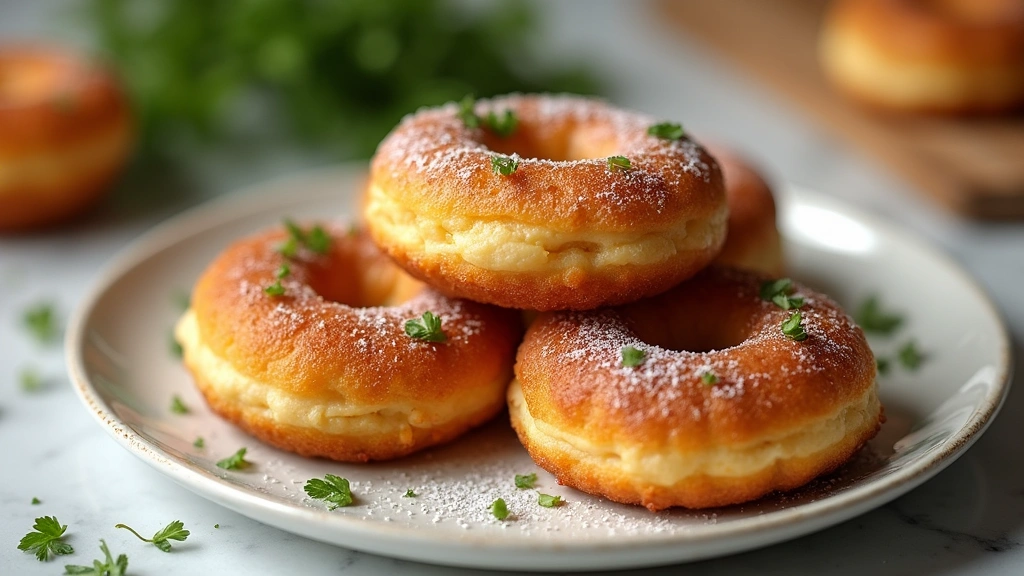
In the heart of every cozy kitchen, the scent of freshly made donuts often evokes warm memories of delightful indulgence.
These light and fluffy air fryer donuts offer the perfect balance between traditional comfort and modern health consciousness.
I stumbled upon this guilt-free version during a health retreat, where chefs combined classic flavors with innovative cooking methods.
The result is a treat that’s not only delicious but also significantly healthier than its deep-fried counterpart.
Whether you’re enjoying a quiet morning or hosting a brunch, these donuts promise to impress with their airy texture and subtle sweetness.
The History and Cultural Significance
• Light and Fluffy traces its origins to Europe in the 19th century, where it was originally created by bakers seeking to perfect the art of fried dough.
• The dish evolved over decades as baking techniques improved, eventually becoming the beloved version we know today.
• In many cultures, donuts traditionally appear at festivals and fairs, symbolizing celebration and indulgence.
• While many variations exist across different regions, the authentic version maintains a soft and airy texture that sets it apart from imitations.
Recipe Overview
| Recipe Times & Servings | |
|---|---|
| ⏱️ Prep Time: | 20 minutes |
| 🔥 Cook Time: | 10 minutes |
| ⏰ Total Time: | 30 minutes |
| 👥 Servings: | 8 |
Nutritional Information (per serving)
| Nutritional Information (per serving) | |
|---|---|
| 🔥 Calories: | 150 |
| 🥩 Protein: | 3g |
| 🌾 Carbs: | 28g |
| 🥑 Fat: | 4g |
| 🌿 Fiber: | 1g |
| 🍯 Sugar: | 10g |
Essential Equipment Guide
Air Fryer: Crucial for achieving the light texture and golden exterior without excessive oil. Alternatives like convection ovens may work but often require longer cooking times.
Pastry Cutter: Helps in shaping the donuts perfectly, ensuring even cooking. A sharp knife or cookie cutter can be used as substitutes.
Silicone Brush: Important for applying a light coat of oil evenly to the dough. Look for brushes that are heat-resistant and easy to clean.
Ingredients
For the Dough
| Amount | Ingredient | Notes |
|---|---|---|
| 2 cups | all-purpose flour | sifted for a light texture |
| 1 packet | instant yeast | activates quickly for rise |
| 1/4 cup | granulated sugar | adds sweetness |
| 1/2 teaspoon | salt | enhances flavor |
| 3/4 cup | warm milk | aids in yeast activation |
| 2 tablespoons | butter | melted, for richness |
| 1 teaspoon | vanilla extract | adds aroma |
Toppings
| Amount | Ingredient | Notes |
|---|---|---|
| 1/4 cup | powdered sugar | for dusting |
| 1 teaspoon | cinnamon | optional, for flavor |
Preparation Methods
Kneading: This technique involves working the dough to develop gluten, which gives the donuts their structure. Knead with gentle pressure, folding the dough over itself repeatedly for best results.
Proofing: Allowing the dough to rest and rise, this step is critical for lightness. Keep the dough covered in a warm, draft-free area to ensure proper expansion.
Shaping: Using a pastry cutter or your hands to form the dough into even rings. Ensures uniform cooking and the classic donut look.
Step 1: Prepare Ingredients
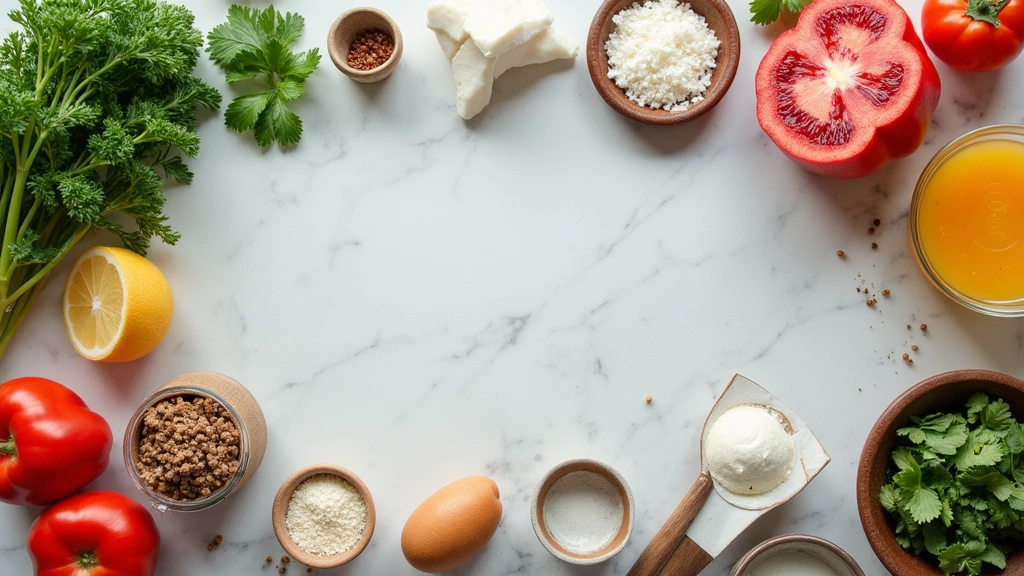
Gather all your ingredients and equipment.
Ensure the butter is melted and milk is warm.
Measure the flour accurately to avoid dense dough.
Have a clean surface ready for kneading.
Step 2: Activate the Yeast
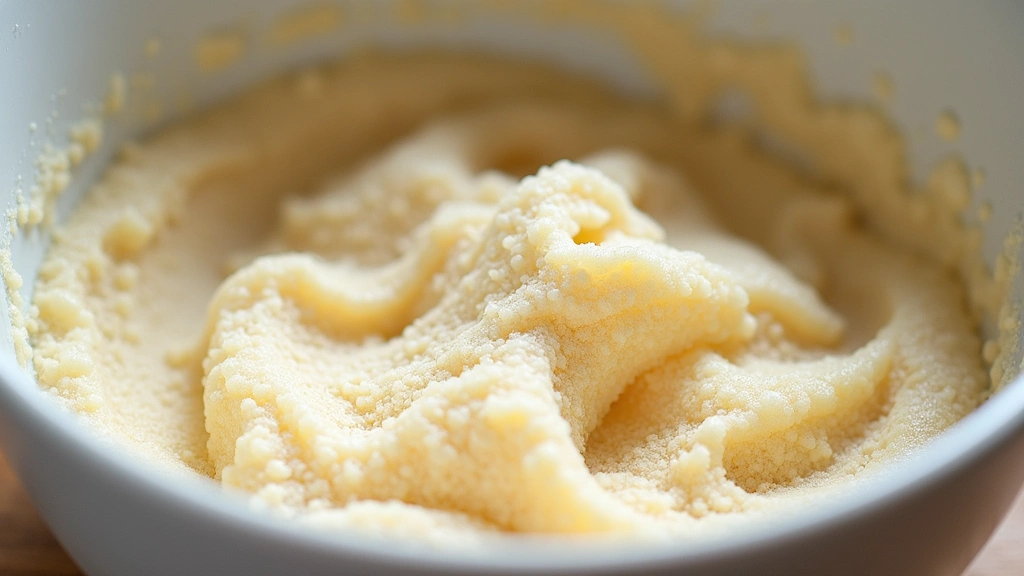
In a mixing bowl, combine warm milk and sugar.
Sprinkle the yeast over the liquid and let it sit for 5 minutes.
Look for frothy bubbles indicating active yeast.
Gently stir if needed.
Step 3: Mix the Dry Ingredients
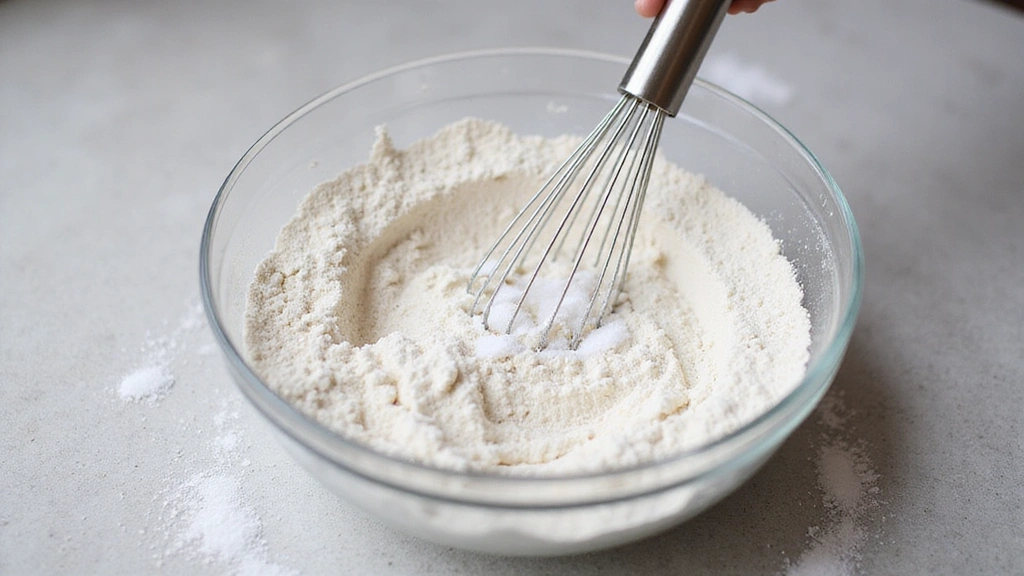
In another bowl, mix flour and salt.
Ensure the salt is evenly distributed throughout the flour.
This prevents overly salty patches in your dough.
Use a whisk for best results.
Step 4: Combine Wet and Dry Ingredients
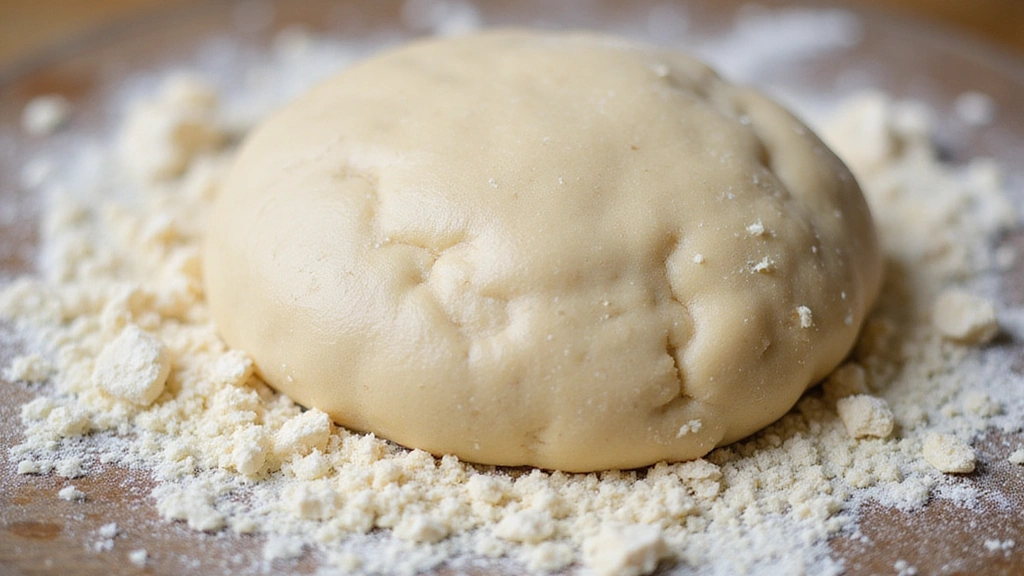
Create a well in the center of the flour mixture.
Pour in the yeast mixture, melted butter, and vanilla.
Gently combine until a dough begins to form.
Avoid overmixing to keep the dough light.
Step 5: Knead the Dough
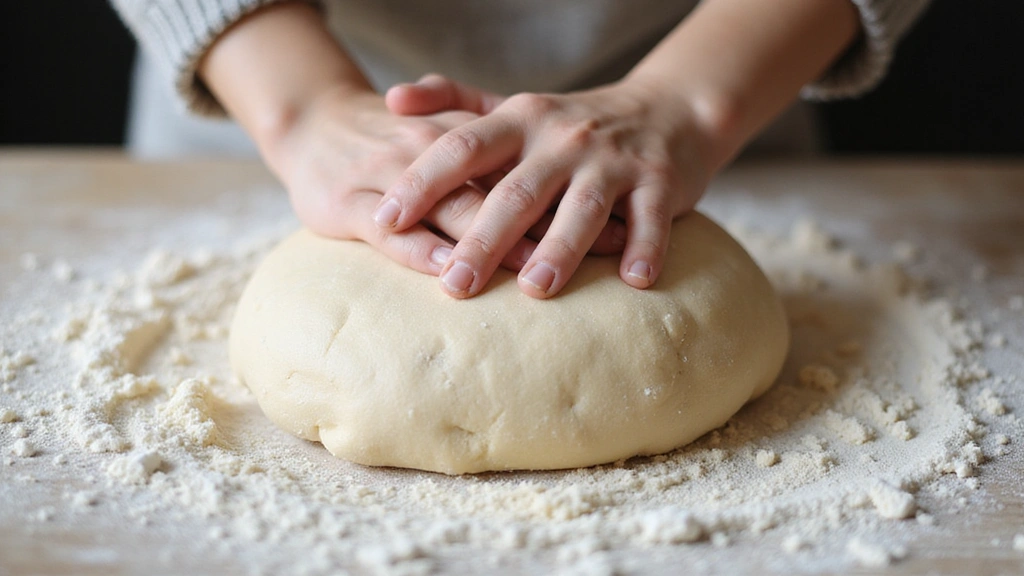
Turn the dough onto a floured surface.
Knead for about 5-7 minutes until smooth and elastic.
The dough should be slightly tacky but not sticky.
Add flour as needed to prevent sticking.
Step 6: Proof the Dough
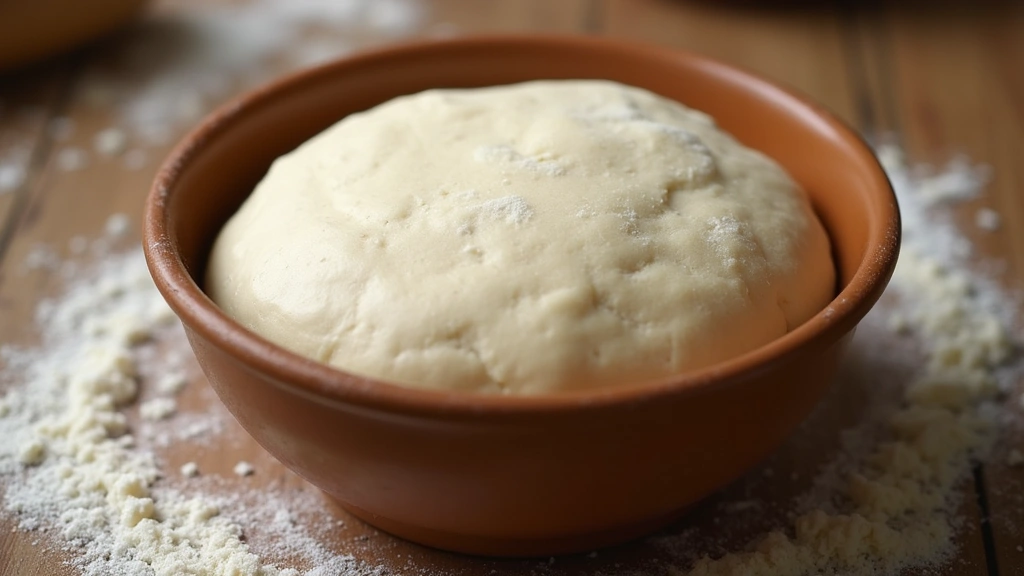
Place the dough in a greased bowl.
Cover with a damp cloth and let it rise for 1 hour.
The dough should double in size.
Keep it in a warm area for best results.
Step 7: Shape the Donuts
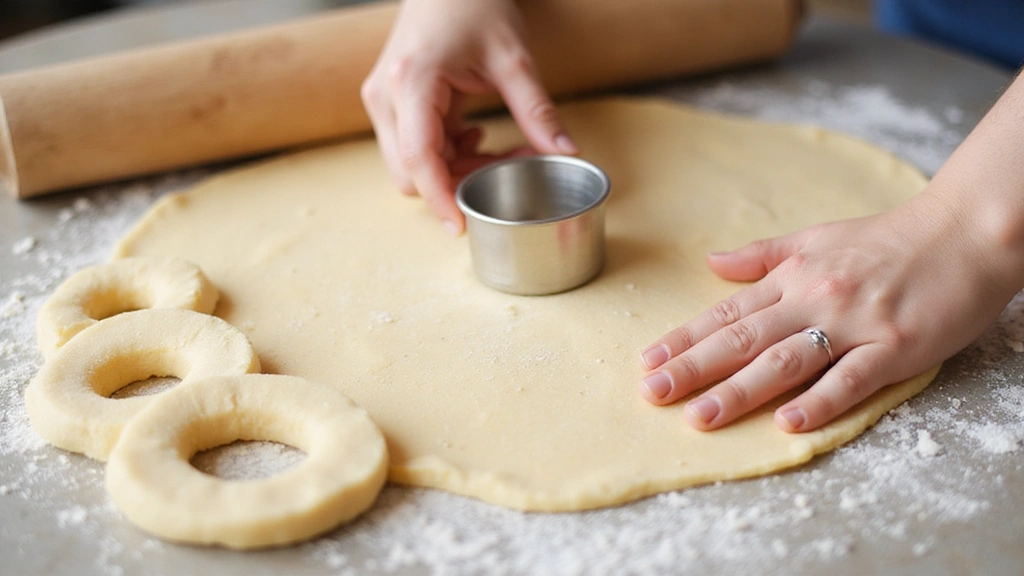
Punch down the dough to release air.
Roll out to about 1/2 inch thickness.
Use a cutter to shape donuts and holes.
Ensure even spacing for uniform cooking.
Step 8: Air Fry the Donuts
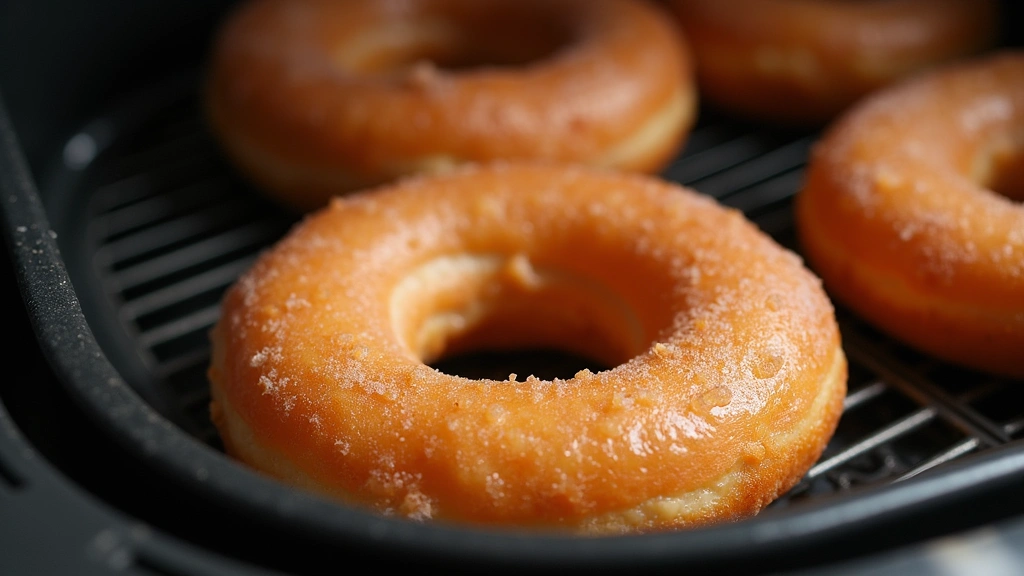
Preheat the air fryer to 350°F.
Lightly brush donuts with oil.
Place in the air fryer basket without overcrowding.
Cook for 5 minutes until golden brown.
Step 9: Dust with Sugar
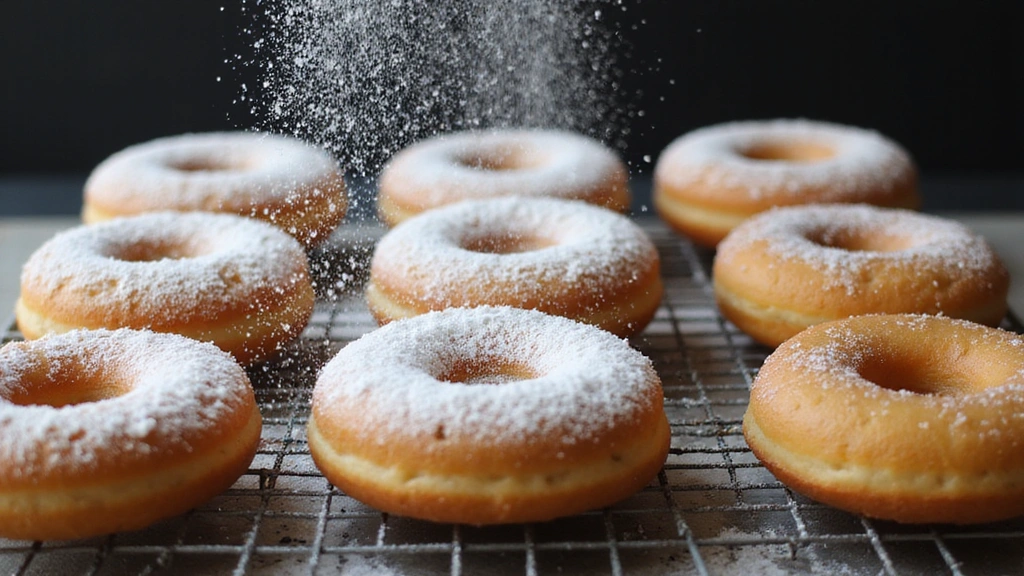
Remove donuts from the air fryer.
Allow to cool slightly on a wire rack.
Dust with powdered sugar and cinnamon if desired.
Serve warm for best flavor.
Critical Timing and Temperature Guide
Yeast Activation: Use milk at 110°F for optimal yeast activation. Look for frothiness within 5 minutes; if not, start over with fresh yeast.
Proofing: Dough should double in size within 1 hour at room temperature. Avoid cold areas which slow rise and affect texture.
Air Frying: Maintain 350°F for 5 minutes. Check for even browning; adjust time slightly for personal air fryer variations.
Pro Tips for Light and Fluffy
• Ingredient Selection: Use high-quality, fresh yeast and unbleached flour for the best rise and texture.
• Preparation Secret: Letting the dough rest for 5 minutes before kneading enhances gluten development without overworking.
• Temperature Management: Ensure all ingredients are at room temperature, especially eggs and butter, for even mixing.
• Texture Enhancement: Incorporate a short rest period after initial mixing to allow flour to hydrate fully.
• Flavor Layering: Adding a pinch of nutmeg or cardamom to the dough can subtly enhance flavor complexity.
• Make-Ahead Strategies: Prepare dough the night before and refrigerate, allowing for a slow rise, resulting in deeper flavor.
• Restaurant-Quality Finishing Touches: Lightly brush with melted butter after cooking for a glossy finish.
• Equipment Optimization: Preheat the air fryer to ensure even cooking and a crisp exterior.
Troubleshooting Common Issues
• Texture Too Dense: Often caused by over-kneading or using too much flour. Recognize by heavy dough; remedy by reducing kneading time and adjusting flour.
• Uneven Cooking: Caused by overcrowding in the air fryer. Ensure even spacing and cook in batches if necessary.
• Flat Donuts: Results from insufficient proofing. Ensure dough doubles in size before shaping.
• Overly Sweet: Caused by excess sugar in the dough. Adjust sugar levels for balanced sweetness.
• Burnt Exterior: Occurs from too high a temperature or overcooking. Monitor closely and reduce temperature if needed.
Variations and Regional Differences
• French Beignets: Typically smaller and square-shaped, these are often dusted heavily with powdered sugar.
• Italian Zeppole: Made with a choux pastry, these are airy and often filled with cream or custard.
• American Cake Donuts: Denser and made with baking powder instead of yeast, offering a different texture.
• Indian Vada: Savory version made with lentil batter, often spiced and served as a snack.
Food Science Behind the Recipe
• Gluten Development: Kneading helps in aligning gluten strands, creating a network that traps air and gives structure.
• Yeast Fermentation: Yeast consumes sugars, releasing carbon dioxide and causing the dough to rise, which is essential for fluffiness.
• Maillard Reaction: The browning of the donut’s surface during air frying enhances flavor and creates a desirable crispy texture.
Frequently Asked Questions
What’s the most common mistake people make when preparing air fryer donuts? Overcrowding the air fryer basket, which leads to uneven cooking and soggy spots.
Can I use whole wheat flour instead? Yes, but expect a denser texture and adjust liquid as whole wheat absorbs more moisture.
Why are my donuts not rising? Check yeast freshness and ensure the dough is proofed in a warm, draft-free environment.
How can I add more flavor? Experiment with spices like cinnamon or nutmeg in the dough and try different toppings.
Can I use almond milk instead of regular milk? Yes, almond milk is a suitable substitute for a dairy-free version.
How do I store leftovers? Keep in an airtight container at room temperature for up to 2 days, or freeze for longer storage.
Is it possible to make these without an air fryer? Yes, bake in a regular oven at 375°F for slightly longer, monitoring closely.
Serving and Presentation Guide
• Traditional Presentation: Serve on a simple white plate dusted with extra powdered sugar, highlighting their golden hue.
• Modern Brunch Style: Pair with a small bowl of fruit compote or dipping sauce for added flavor and visual appeal.
• Gift Presentation: Package in a decorative box lined with parchment paper, perfect for gifting.
• Casual Gathering: Arrange on a tiered stand alongside various toppings and glazes for a DIY donut bar.
Conclusion
Creating light and fluffy air fryer donuts is a rewarding experience that brings joy with every bite.
This guilt-free treat allows you to indulge without compromising health or flavor.
Try this recipe today and discover a new favorite that perfectly blends tradition and innovation.